If you want to sell your Muskegon home without leaving money on the table, two things matter most right away: pricing it well and preparing it thoughtfully. You may be wondering what buyers in today’s market will actually pay, which updates are worth doing, and how to avoid the stress of sitting too long with no strong offers. The good news is that with the right plan, you can make smart decisions before your home ever hits the market. Let’s dive in.
Know the Muskegon market first
Before you choose a list price or start updating your home, it helps to understand what the Muskegon market looks like right now. According to Redfin’s Muskegon housing market data, the median sale price is $170,000, homes are averaging about 28 days on market, and many listings receive around 2 offers.
At the same time, broader market snapshots tell a slightly different story. Zillow’s Muskegon city data shows a typical home value of $184,018, while Realtor.com reports a median list price of $219,000 and a median of 52 days on market. These numbers are not conflicting so much as they are measuring different things, including closed sales, estimated values, and active listings.
That difference matters if you are selling in Muskegon. A citywide average can be helpful for context, but it should not be the only thing guiding your price.
Price by neighborhood, not headline average
One of the biggest pricing mistakes sellers make is relying too much on broad market headlines. In Muskegon County, Zillow reports a typical home value of $247,207, but values vary widely across nearby areas. Zillow also shows Muskegon at $184,018, North Muskegon at $308,746, and Muskegon Heights at $88,077 on its Muskegon County home values page.
Even within ZIP codes, conditions can shift. Realtor.com’s data for 49442 shows a median listing price of $175,000 and 63 days on market, which is a different pace and price point than some surrounding areas. That is why a neighborhood-specific pricing approach is much more useful than using county or city numbers alone.
If you want a realistic list price, your home needs to be compared to homes that are actually similar in location, size, condition, and features.
Build your price from sold comps
The strongest pricing strategy starts with recently sold homes, not just active listings. According to Zillow’s seller prep guidance, the best comps are usually homes sold within about a half-mile that have similar square footage, bedroom count, and key features.
Sold homes show what buyers were truly willing to pay. Active listings can tell you what your competition looks like, but they do not prove market value on their own. If a home nearby is priced high and still sitting, that may be a sign of overpricing, not a benchmark you should follow.
A practical way to think about pricing in Muskegon is this:
- Review sold comps from the last 3 to 6 months
- Adjust for your home’s condition, updates, and standout features
- Compare your home to nearby active listings
- Choose a price that encourages early interest instead of planning for a later price drop
This approach fits today’s market well because sale-to-list ratios are close to even. Zillow reports a median sale-to-list ratio of 0.991, and Realtor.com reports 98%, which suggests many homes are selling at or slightly below asking rather than far above it.
Why pricing accuracy matters more now
Buyers are still active, but they are also paying close attention to affordability. As of April 9, 2026, Freddie Mac reported a 6.37% average rate for a 30-year fixed mortgage.
That rate does not determine your home’s value, but it does affect buyer behavior. When monthly payments are higher, buyers usually have less room to stretch for an overpriced home. In a market like Muskegon, where many homes are not selling dramatically over asking, pricing carefully can help you attract serious buyers faster.
If your goal is to create momentum early, a well-supported list price is one of the most important tools you have.
Choose timing with a clear plan
If your move is flexible, timing can give you an edge. National research consistently points to spring and early summer as the strongest seasons for sellers.
Zillow’s 2026 best time to list study found that homes listed in the last two weeks of May sold for 1.7% more on average nationwide. Realtor.com’s 2025 study identified April 13 through 19 as the national best week to list, while long-term seasonal analysis from NAR shows that activity typically peaks from April through June, with the Midwest often strongest in June.
There is also a helpful regional clue for West Michigan. Realtor.com reported that nearby Grand Rapids’ best time to sell in 2026 was March 29 through April 4, which suggests sellers in this region may benefit from being ready earlier in the spring rather than waiting until summer feels fully underway.
Start preparing 60 to 90 days ahead
A rushed listing often leads to avoidable stress. Zillow recommends beginning the prep process about 60 to 90 days before listing, which gives you enough time to make thoughtful decisions without scrambling.
A simple planning timeline looks like this:
8 to 12 weeks out
- Handle larger repairs or maintenance items
- Decide whether any paint or fixture updates make sense
- Start gathering pricing information and sold comps
4 to 6 weeks out
- Declutter closets, counters, and storage spaces
- Deep clean the entire home
- Start basic staging and simplify room layouts
2 to 4 weeks out
- Finish touch-ups and curb appeal work
- Prepare for photography
- Finalize marketing and listing plans
This kind of timeline helps you spread out the work and focus on what will actually improve your home’s presentation.
Focus on prep that buyers notice
You do not need a full renovation to make a strong impression. In many cases, the most effective pre-sale work is also the most practical.
Zillow says that decluttering, deep cleaning, maximizing light, using fresh neutral paint, cleaning windows, and tidying the exterior can all help a home feel larger, brighter, and more inviting. NAR’s staging report supports that too, showing that the most common seller recommendations are decluttering (91%), cleaning the whole home (88%), and improving curb appeal (77%).
If you are deciding where to start, focus on the areas buyers tend to notice first:
- Living room
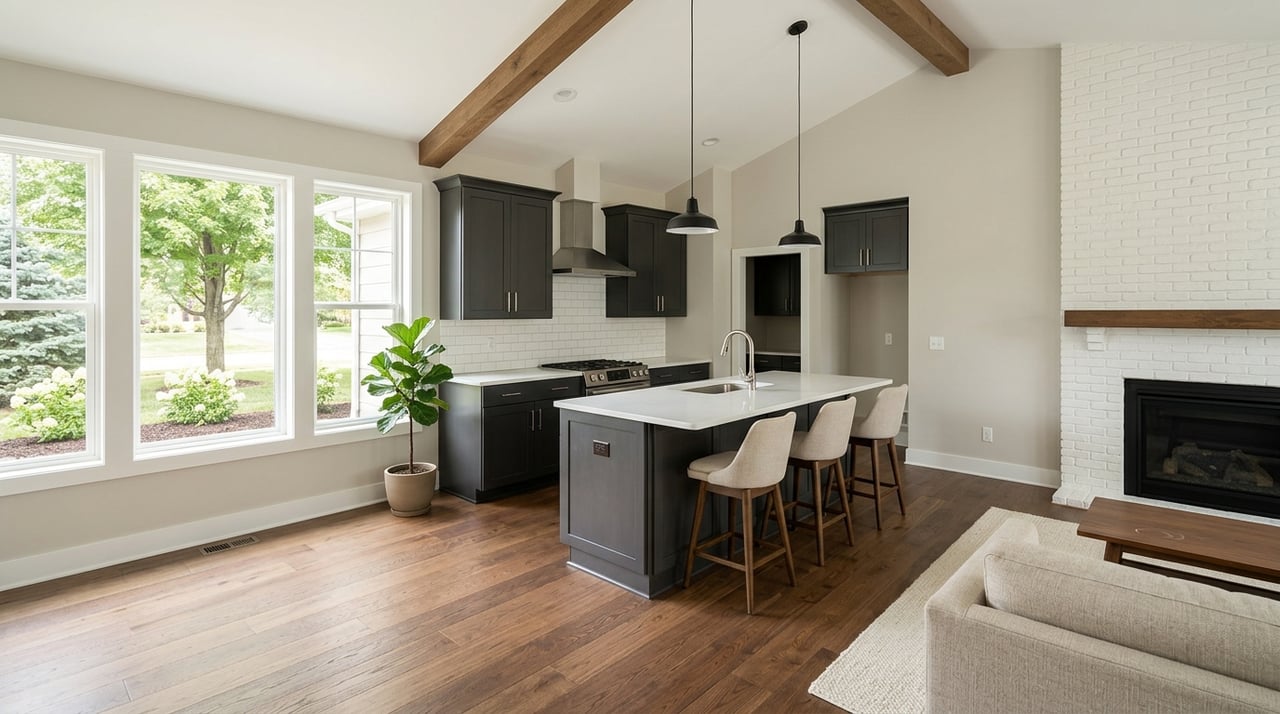
- Kitchen
- Primary bedroom
- Front entry
- Main bathrooms
These spaces often shape a buyer’s first impression both online and in person.
Small updates can go a long way
If your home needs a refresh, visible cosmetic updates usually offer the best balance of cost and impact. Zillow’s seller guidance points to practical improvements like paint, updated hardware, landscaping, and minor repairs such as leaky faucets or loose handles.
For many Muskegon sellers, a sensible prep budget may include:
- Fresh, neutral interior paint
- Updated cabinet or door hardware
- New light fixtures where current ones feel dated
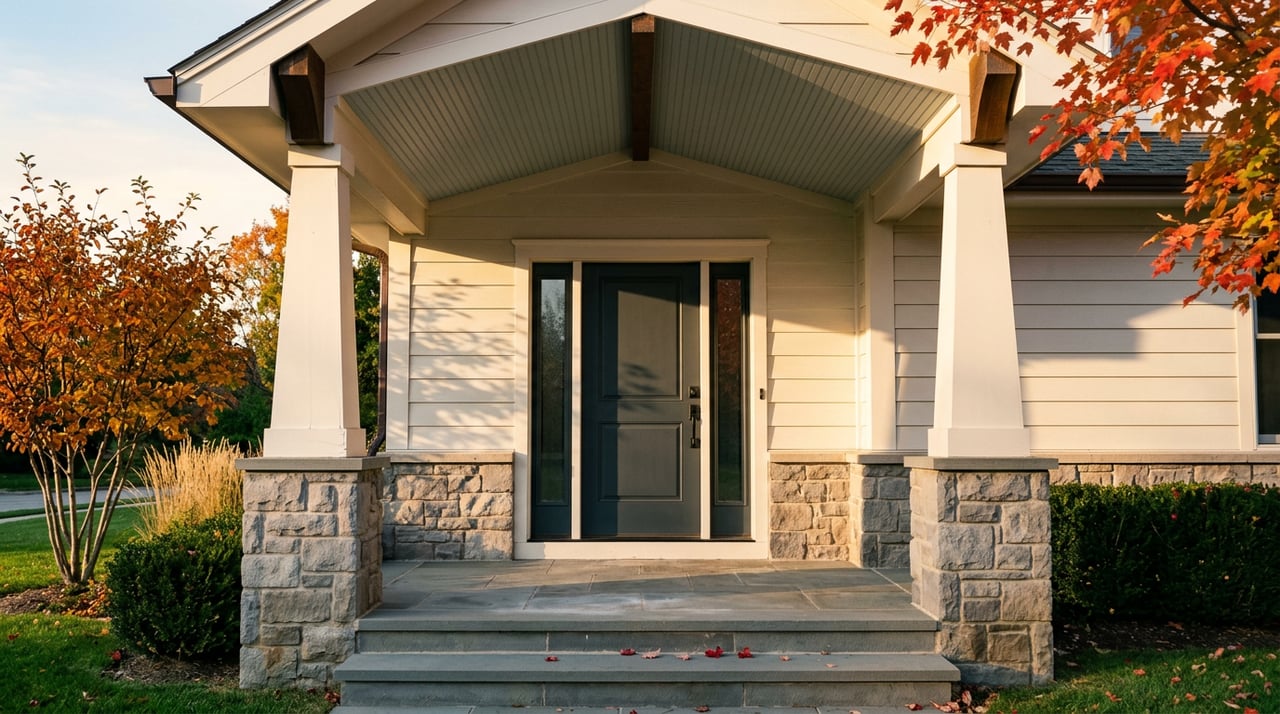
- Front porch or entry cleanup
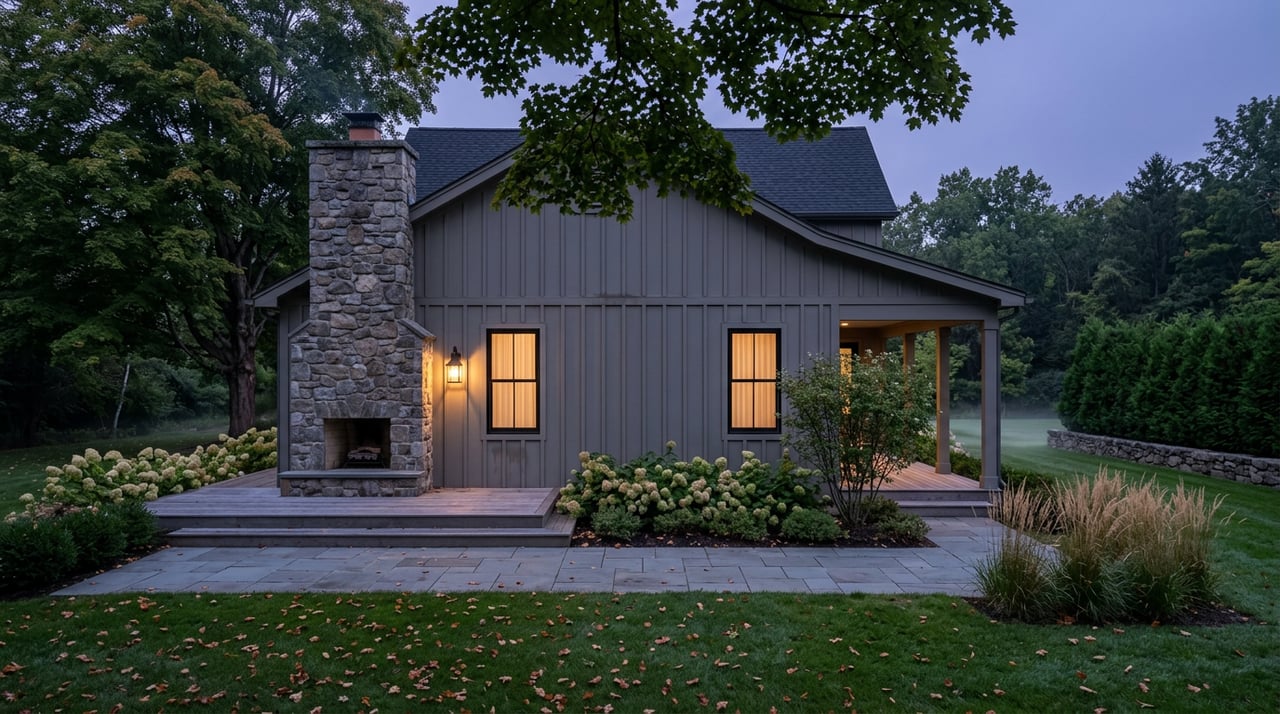
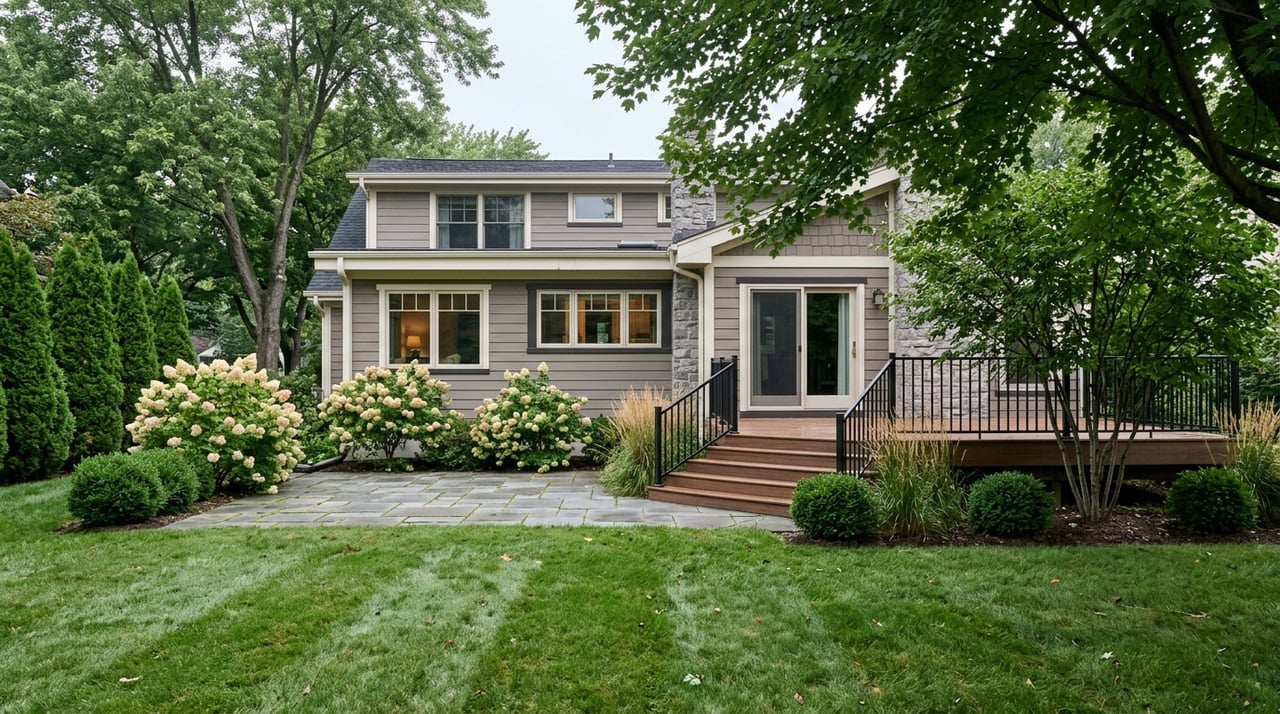
- Mulch, trimmed landscaping, and tidy walkways
- Minor repair fixes throughout the home
These improvements help your home look cared for without pushing you into a major project. Zillow also found that 72% of sellers complete at least one improvement before listing, with interior painting, bathroom updates, and kitchen upgrades among the most common.
Be cautious with major remodeling
If you are close to listing, large-scale remodeling is not always the best use of your money. The East North Central Cost vs. Value report shows that some high-visibility projects can recoup well, including garage door replacement (282.2%), steel entry door replacement (235%), manufactured stone veneer (190.6%), and a minor kitchen remodel (101.2%).
At the same time, major kitchen remodels and upscale bathroom projects tend to recoup much less. That means if your home is generally in solid shape, you may be better off putting your budget toward repairs, presentation, and a few targeted updates instead of taking on a full renovation.
A good rule of thumb is simple: fix what feels obviously worn, dated, or broken, but do not over-improve for the market unless there is a clear condition issue.
Photography and presentation matter
Today’s buyers usually see your home online before they ever step inside. That makes presentation more than just a finishing touch.
According to NAR’s staging report, 29% of agents saw staged homes receive a 1% to 10% increase in offered value, and 49% said staging helped homes sell faster. The same report found that buyer agents place high value on listing photos (73%), videos (48%), and virtual tours (43%).
That means your prep work should support both in-person showings and online marketing. Clean spaces, good light, and thoughtful furniture placement can help your photos stand out and make buyers more eager to schedule a showing.
A smart Muskegon selling plan
If you are selling in Muskegon, the clearest strategy is usually a three-part balance: price from sold comps, prepare with visible high-impact updates, and time your listing for spring or early summer if your schedule allows. Local data shows enough variation across Muskegon and nearby communities that broad averages can only take you so far.
That is where a personalized plan matters. Your ideal price, prep list, and timing depend on your home, your block, your condition, and your goals.
If you want clear guidance without the pressure, Claire Ritter offers a personalized, low-stress approach to selling in Muskegon and across West Michigan. Whether you are just starting to think about your next move or getting ready to list, having a strategy built around your home can make the process feel much more manageable.
FAQs
How should you price a home in Muskegon?
- The best way to price a Muskegon home is to use recently sold comparable homes nearby, then adjust for square footage, condition, features, and current competition.
When is the best time to list a home in Muskegon?
- Spring and early summer are generally the strongest times to list, and regional signals suggest West Michigan sellers may benefit from being market-ready by early spring.
What repairs should you make before selling a Muskegon home?
- Focus first on visible, practical items like paint, cleaning, decluttering, curb appeal, updated hardware, lighting, and small repairs rather than major remodeling.
Is staging worth it when selling a Muskegon home?
- Staging can be worthwhile because NAR reports that staged homes may sell faster, and some agents saw a 1% to 10% increase in offered value.
How far in advance should you prepare your Muskegon home to sell?
- A good timeline is to start preparing 60 to 90 days before listing so you have time for repairs, decluttering, cleaning, staging, and photography.