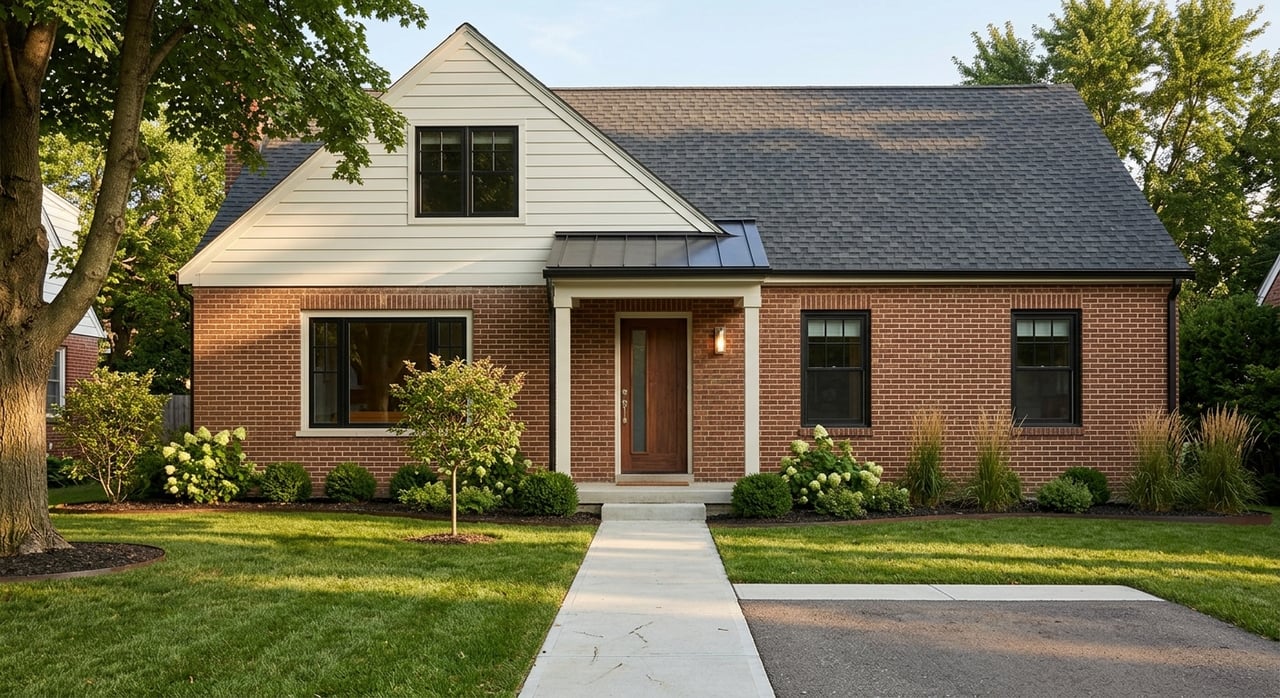
If you are torn between a historic home and a newer one in Muskegon, you are asking the right question. In this city, the choice is not just about age or style. It is also about maintenance, neighborhood feel, long-term costs, and how you want to live day to day. This guide will help you compare both options so you can make a confident decision that fits your goals. Let’s dive in.
Why This Choice Matters in Muskegon
Muskegon is a city where neighborhood identity and housing choice matter. The city recognizes 15 neighborhoods, and its Historic District Commission identifies nine historic districts. Local planning also treats historic preservation and housing variety as important parts of Muskegon’s future.
That context shapes your home search. In many markets, newer homes and historic homes sit in totally different settings. In Muskegon, that line is often less clear because new housing is frequently built as infill inside established neighborhoods rather than in large new subdivisions.
What Historic Homes Offer
Historic homes in Muskegon often appeal to buyers who want character and a strong sense of place. Much of the city’s older housing stock and many of its varied housing types were built before World War II. That can mean more architectural variety and a more established neighborhood setting.
In places like McLaughlin, parts of the neighborhood are in a historic district with preserved Victorian-era homes. In Lakeside, the city describes a quaint and unique neighborhood feel with a bike path, a small shopping district, and lake-oriented amenities. If you want a home that feels connected to Muskegon’s history, older housing can offer that in a very real way.
Historic Home Pros
- Distinct architecture and older design details
- Established neighborhood patterns and mature surroundings
- Close connection to Muskegon’s historic districts and neighborhood identity
- Access to housing types that are less common in newer construction
What to Watch With Historic Homes
Older homes can be rewarding, but they usually ask more from you as an owner. The two biggest issues highlighted by the research are renovation planning and energy performance.
If a home was built before 1978, lead-based paint is more likely to be present. The EPA says homes built before 1940 are especially likely to contain some lead-based paint, and renovation work can create hazardous lead dust if not handled properly. If you are planning to refinish trim, open walls, replace windows, or remodel rooms, that should be part of your budget and timeline from the start.
Energy efficiency is another common tradeoff. Muskegon County is in climate zone 5, and ENERGY STAR says sealing air leaks and adding insulation can save an average of 15% on heating and cooling costs. For homes with underinsulated attics, the recommended attic insulation levels for this climate are often higher than what many older homes currently have.
Historic District Rules to Know
If the home is in one of Muskegon’s historic districts, routine maintenance and repair are allowed and encouraged. However, the Historic District Commission reviews new construction, demolitions, major exterior repairs, and changes to exterior appearance.
That does not mean remodeling is impossible. It means exterior projects may need more planning. If preserving a compatible look matters to you, even window upgrades can be approached thoughtfully. ENERGY STAR notes that wood window frames are strong, provide good insulation, and are generally favored in historical neighborhoods.
Historic Home Best Fit
A historic home may be the better choice if you:
- Value character and architectural variety
- Want an established neighborhood feel
- Like being near older neighborhood hubs and amenities
- Feel comfortable budgeting for maintenance over time
- Are prepared for lead-safe renovation planning and efficiency upgrades
What Newer Homes Offer in Muskegon
In Muskegon, newer homes often show up through infill development on vacant lots inside existing neighborhoods. The city has limited developable land and few greenfield opportunities, so its long-term housing strategy focuses on adding homes within the city fabric. The city reports that 15 new infill homes were completed in 2024 and 212 have been completed since 2019.
That matters because a newer home here does not always mean a far-out subdivision or a disconnected location. You may be able to buy a newer home while still living in an established neighborhood close to the parts of Muskegon you already enjoy.
Newer Home Pros
- Current building standards
- Lower near-term maintenance risk
- More predictable major systems and exterior components
- Easier path to energy efficiency from day one
- Often more flexible layouts for current household needs
ENERGY STAR certified new homes and apartments are designed to exceed minimum energy code requirements by at least 10% and are independently verified for insulation, windows, air sealing, and HVAC systems. In practical terms, that can mean fewer immediate upgrade projects compared with an older home.
What to Watch With Newer Homes
The main tradeoff with newer homes is usually not charm versus function in a simple sense. In Muskegon, it is more about whether a newer build gives you the setting and feel you want.
Because much of the city’s new housing is infill, a newer home may still sit on a mixed-age street or within an older block pattern. That can be a plus if you want a newer house without leaving established neighborhoods behind. Still, if you are hoping for a large new subdivision feel, Muskegon’s housing pattern may offer fewer of those options.
Newer Home Best Fit
A newer home may be the better choice if you:
- Want lower near-term repair uncertainty
- Prefer current construction standards
- Care strongly about day-one efficiency
- Want a more predictable ownership experience
- Prioritize function and layout over historic character
Neighborhood Feel Can Tip the Scale
In Muskegon, the right answer often depends as much on the neighborhood as on the house itself. Two homes with similar square footage can offer very different day-to-day experiences depending on the block, nearby amenities, and street pattern.
McLaughlin is one of the clearest examples for buyers drawn to historic homes. The city says parts of the neighborhood are in a historic district with preserved Victorian-era homes, and the area includes a mix of single- and multiple-family housing near hospitals, churches, and businesses.
Lakeside offers a different kind of older-neighborhood appeal. The city describes it as unique and neighborhood-centered, with a bike path, a renovated ferry dock, and a small shopping district near Muskegon Lake.
Beachwood-Bluffton is more water-oriented, with frontage on Muskegon Lake, the channel, and Lake Michigan, along with parks and beaches. The city says most of the housing there was already built out by the 1960s, though newer private development is underway.
Glenside gives you another perspective. The city says it developed as a suburb starting in the late 1930s, with mainly single-family detached homes, mature oak trees, and low-traffic interior streets. Most homes there are also well over 50 years old, so even a neighborhood that feels more suburban-leaning may still involve older housing stock.
Historic vs. Newer at a Glance
| Feature | Historic Homes | Newer Homes |
|---|---|---|
| Style | More architectural variety and older details | More current layouts and finishes |
| Maintenance | Often higher and less predictable | Usually lower in the near term |
| Energy Efficiency | May need air sealing and insulation upgrades | Often easier to run efficiently from day one |
| Renovation Planning | May involve lead-safe practices and district review for some exterior changes | Usually fewer age-related renovation concerns |
| Setting in Muskegon | Often in established older neighborhoods | Often infill within established neighborhoods |
| Best For | Buyers who value character and place | Buyers who value predictability and function |
Questions to Ask Before You Decide
Before you choose between a historic home and a newer home in Muskegon, ask yourself a few practical questions.
How much upkeep are you comfortable with?
If you enjoy projects and appreciate the payoff of preserving older details, a historic home may feel worth it. If you would rather reduce surprise repairs in the first few years, a newer home may fit better.
How important is energy efficiency right away?
An older home can often be improved over time, especially with air sealing and insulation. But if you want fewer efficiency projects from the start, newer construction usually gives you a head start.
Do you want neighborhood character or newer-home predictability?
This is often the core tradeoff. Some buyers are happy to trade a little predictability for architecture, history, and a more established setting. Others want simpler ownership and a home that matches current standards from day one.
Are you considering a home in a historic district?
If yes, be sure you understand what kinds of exterior work may require review. Routine maintenance is allowed, but major exterior repairs, demolition, new construction, and visible appearance changes may go before the Historic District Commission.
A Smart Way to Approach the Search
The best choice is rarely about which type of home is better in general. It is about which home is better for you in this season of life. Your budget, your comfort with maintenance, and the neighborhood experience you want should all guide the decision.
Muskegon gives you a meaningful range of options, from preserved older homes in established districts to newer infill homes that bring current standards into existing neighborhoods. If you compare the home, the block, and the likely ownership costs together, you will make a much clearer decision.
If you want help weighing character, upkeep, neighborhood feel, and resale potential, Claire Ritter offers calm, personalized guidance to help you find the right fit in Muskegon.
FAQs
Do historic districts in Muskegon make remodeling harder?
- In Muskegon historic districts, routine maintenance and repair are allowed, but major exterior repairs, demolitions, new construction, and exterior appearance changes are reviewed by the Historic District Commission.
Are property taxes higher for historic homes in Muskegon?
- No. The city says property taxes in historic districts are not different from other parts of Muskegon.
Are newer homes in Muskegon usually outside established neighborhoods?
- Not necessarily. Muskegon’s housing strategy focuses on infill housing on vacant lots within established neighborhoods rather than large new subdivisions.
What hidden costs should buyers watch for in older Muskegon homes?
- Two key issues are lead-safe renovation planning for many pre-1978 homes and energy upgrades such as air sealing and insulation.
Which Muskegon neighborhoods are most relevant when comparing historic and newer homes?
- McLaughlin, Lakeside, Beachwood-Bluffton, and Glenside each show how neighborhood setting, housing age, and nearby amenities can shape your decision as much as the house itself.